Clothing
The British Summer Linen Capsule Wardrobe: A 10-Piece Checklist
British summer is less a season than a series of proposals. One day it is 27°C and the bus is a greenhouse; the next, a stiff breeze off the North Sea has you hunting for a jacket at four in the afternoon. Dressing well for that comes down to one fabric and a small number of pieces that get along with each other. Linen handles heat, dries quickly, and looks better slightly rumpled than pressed flat. Put ten of those pieces together in a tight palette and you have something close to a weatherproof summer wardrobe — one that packs into a cabin bag and covers a wedding, a pub garden, a delayed train and a weekend at the coast.
How a Linen Capsule Actually Works
A capsule is not about owning less for the sake of it. It is about owning pieces that combine. The test for every item is blunt: can you wear it with at least four others on the list? If not, it is a nice thing rather than a working piece.
Three principles keep the ten pulling their weight:
- One fibre family. Different weights and weaves, same material. Linen layers over linen without the bulk that cotton and wool add.
- Two neutrals, one accent. Enough contrast to look considered, not so much that nothing matches.
- A slightly generous fit. Linen has no stretch and tightens up when it creases. Anything close-fitting will feel worse by lunchtime, not better.
The Ten-Piece Checklist
- White or ecru linen shirt. The workhorse. Buttoned with trousers, open over a vest, knotted at the waist, or worn as a light jacket when the evening cools. Look for a mid-weight plain weave — anything too thin goes transparent in direct sunlight.
- Sleeveless linen top. A cami or square-neck vest. It makes the overshirt wearable in July and adds warmth under a dress in June. Choose one that sits close without gripping.
- Boxy short-sleeve linen tee. Covers the shoulders for a smarter lunch, tucks into wide trousers without creating bulk if you choose a lighter weight.
- Wide-leg linen trousers. Mid to heavier weight, with a waistband you can comfortably sit down in. Navy, olive or stone.
- Linen shorts. Tailored rather than beachy: a proper waistband, pockets, mid-thigh or knee length. These get worn more than you expect on warm days in town.
- Linen midi skirt. Straight or gently A-line in a heavier weight so it holds its shape and does not cling. Wears with the shirt, the tee or the knit.
- Linen shirt dress. One piece, several outfits. Unbelted for shade, belted for shape, unbuttoned over a vest and trousers as a light duster.
- Linen slip dress. The dress that layers. Over a tee, under an overshirt, alone with sandals. A midi length and a lining if you would rather not think about sheerness.
- Linen overshirt or utility jacket. Your answer to the four o'clock breeze and the long evening in a beer garden. Roomier than the shirt, with useful pockets.
- Linen knit jumper or a large linen wrap. A loose henley-neck knit, or a generous scarf that doubles as a shoulder cover. This is the piece that stretches a summer outfit into late September.
Layering for a Day That Can't Decide
Think in three temperatures rather than three outfits. Base layer next to the skin, mid layer for shade and air conditioning, outer layer for after six. On a warm morning, fold the mid layer into your bag and carry it anyway; you will almost always want it later.
Combinations that work without a mirror:
- Shirt dress over the vest, overshirt knotted at the waist until needed.
- Wide trousers and the boxy tee, with the linen shirt open over both.
- Slip dress under the overshirt, knit over the shoulders once the sun drops.
- Shorts with the shirt half-tucked, wrap in the bag.
Keep the accessories plain — leather sandals, canvas trainers, one basket or canvas tote — and let the fabric do the talking.
Colour: Build a Palette, Not a Rainbow
Choose two neutrals and one accent, then let everything else follow. A palette that works hard for a British summer might be ecru or oat as the light neutral, navy or charcoal as the dark one, and a single earthy accent such as terracotta, olive or a soft denim blue. If contrast is not your instinct, swap navy for stone or sage and keep the palette quieter.
The rule matters less than the discipline: every piece should be able to sit next to every other without an argument. Prints are lovely but they halve your combinations, so if you want one, make it the dress and keep the rest plain. Colour also shifts how formal linen reads. Ecru and stone look relaxed; navy looks deliberate; black linen fades noticeably in strong sun and rarely repays the effort.
Weight, Weave and Care
Weight decides what a garment does. Light weights suit shirts and dresses; mid weights hold the line on trousers and skirts; heavier weights belong in jackets and overshirts that need structure.
In the shop
Quality linen feels cool and faintly weighty in the hand, with an even weave. Hold a white shirt up to the light — if you can see your hand clearly through it, it will be too sheer outdoors. Garment-washed or stonewashed linen is soft from the first wear; crisp unwashed linen softens over a season but will shrink a little on the first wash, so buy the fit you want after washing, not before.
At home
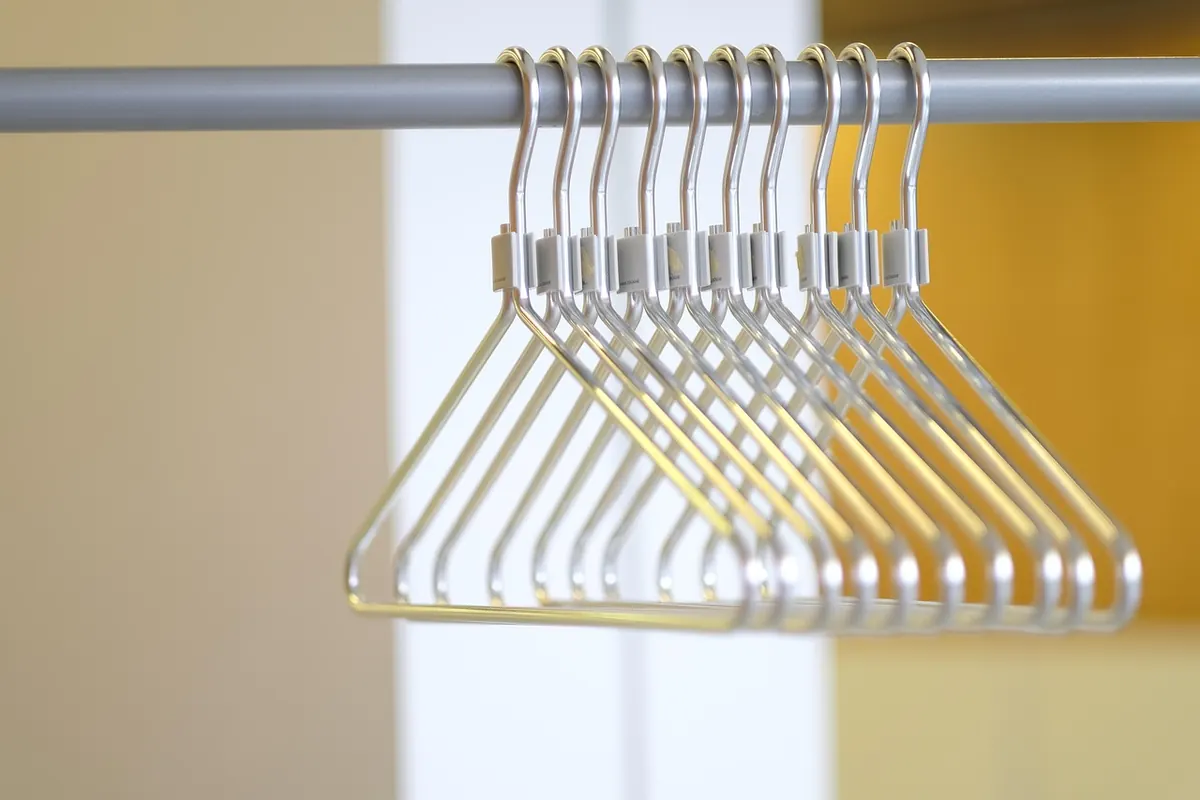
Wash cool on a gentle cycle with a mild detergent and skip the fabric softener, which coats the fibre and dulls the cool handle. Line dry in the shade where you can, since strong sun fades deeper colours over time. If you use a tumble dryer, take things out slightly damp and hang them straight away. Linen does not need ironing to look good; for a crisper finish, press while damp on a medium-hot setting. Fold knits rather than hanging them, and hang shirts and dresses on wide hangers to keep the shoulders in shape.
Start With Three Pieces
Do not buy ten things in one afternoon. Begin with the linen shirt, the wide-leg trousers and one dress. Wear them for a fortnight and notice what you reach for and what you avoid — the gaps will become obvious fast. Then add the overshirt, which extends more of your wardrobe into cooler days than anything else on the list, followed by a second bottom half. The remaining pieces can arrive over two summers; good linen wears in rather than out.
One last habit worth adopting: keep a light linen wrap in your bag from May to September. It weighs almost nothing, works as a scarf, a shoulder cover and a picnic blanket edge, and it has rescued more British evenings than any jacket.
Photo: leopoldboettcher / Pixabay